
Creative laziness occurs when someone doesn’t put in the effort to ‘think hard’, despite being fully capable of doing so.
Creative individuals perceive laziness as a disruption to their mental & spiritual well-being, while most ‘non-creative’ people associate laziness with physical signs such as lounging, slumping, or idling (a lack of enthusiasm, apathetic behaviour, aimlessness).
Does your mind get lazy?
Creative individuals frequently become engrossed in their own thoughts and will be self-focused and driven, though this intense focus often drains them so they become devoid of inspiration.
Like everyone, creatives have a natural desire for connection and belonging, and so ‘reaching out’ behaviour can lead to procrastination, seeking shortcuts, copying others, and getting distracted from the creative discipline.
Outside influences such as overwhelming stimulation (perhaps caused by video games) or from diversions generated by over-use of social media can also lead to creative laziness.
BUT… laziness isn’t :
- Laziness is not being tired or lacking energy
- Laziness is not being unable to focus because of ongoing health concerns
- Laziness is not about feeling out of one’s depth and needing help to continue
- Laziness is not about streamlining or fast-tracking work to be more efficient
- Laziness is not about becoming distracted by family or financial worries
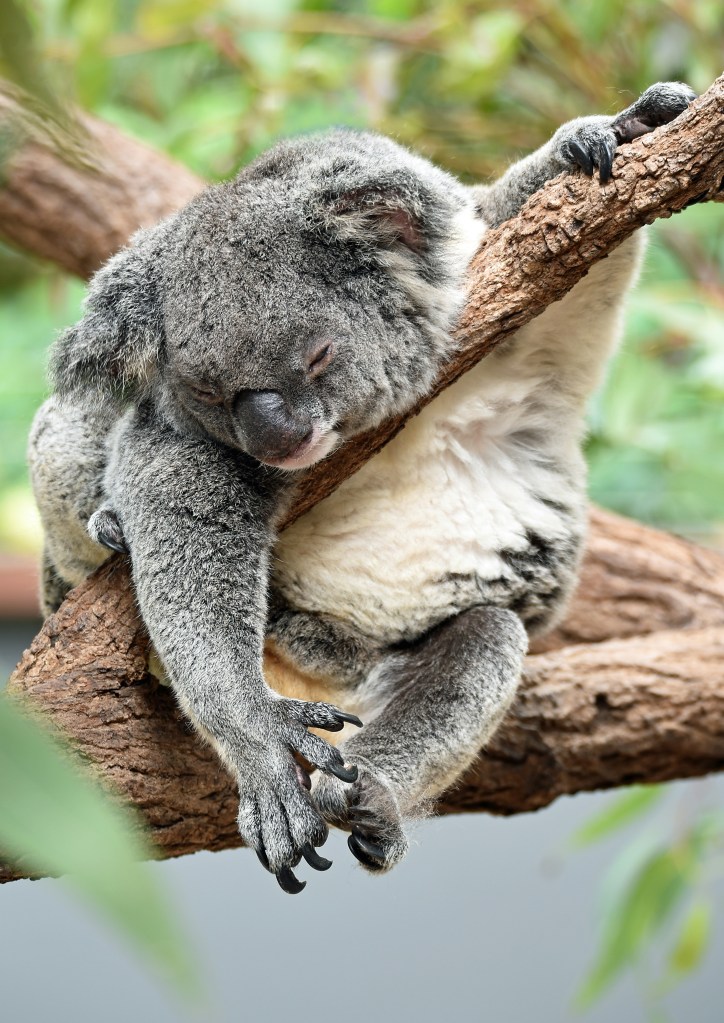
So, what defines a lazy creative?
A creative person who is becoming lazy:
- takes short-cuts by over-relying on artificial intelligence tools or word generators
- steals ideas from other creatives
- copies verbatim from other artists
- fails to strive for originality
- bypasses the need for fact-checking or diligent research
- sidesteps the need for quality control
Creative laziness occurs when someone doesn’t put in the effort to ‘think hard’, despite being fully capable of doing so…
Author Neil Mach
How to avoid creative slapdashness…
- Set yourself measurable creative goals
- Divide your creative projects into manageable chunks
- Make your daily routines less complicated and more ‘fun’
- Look for ways to support other creatives
- Change your perspectives (even if it’s just temporarily) — go for a walk, take a trip
- Find a role in your community to help others
- Ask other creative people for help and/or advice
- Arrange or rearrange work spaces & immediate surroundings to keep things ‘fresh’
- Watch, read, or listen to motivational / inspirational works
- Abstain from social media for a while
- Give up video gaming for a while
Words: © Neil Mach
Main photo: © Adrian Swancar
Any comments or suggestions?
Neil Mach is the author of MAX AUTHOR POSITIONING – A Self-Promotion Strategy for Indie Writers
 Max Writivity Club