What is your reason to write?

I receive many messages from people who say, “Hi! I want to write a book. How do I get started?”

They often add a fascinating detail, for example, “Hi, I want to write a book like Tolkien. How do I get started?’ Or they might say, ‘Hi, I want to write a book like Sally Rooney. How do I get started?” Or perhaps they’ll say, “Hi, I want to write a book about werewolves and zombies. How do I get started?”

I always reply with just one word: Why?

What is your reason to write?
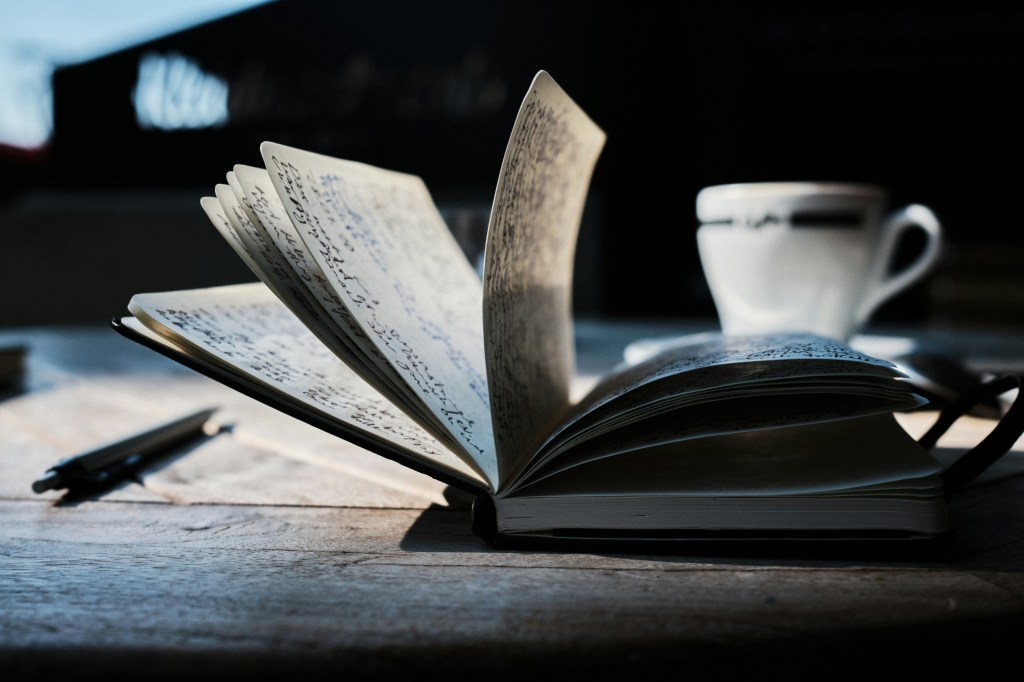
What is your reason to write? Image Yannick Pulver

What is your reason to write?

I belong to a generation that was frequently pushed into creative writing, and that push usually took two forms. The first, and most unpleasant of the two, involved writing thank-you notes to relatives for gifts we didn’t want: “Dear Auntie, thank you for the nice socks you sent me. They are a bit large, but Mum says I’ll grow into them. I hope you have a nice summer. Mine was very nice. We had lots of fun. Thank you for the nice present, your nephew, Neil.”

The second type of coerced creative writing experience that we endured in the 1960s was the “one-sheet essay.” The usual scenario for this experience involved a teacher writing a prompt on a board, perhaps something like: “What I did in the summer holidays…” The class would be given an hour to fill a blank page with their thoughts and fantasies on the subject. Typically, I couldn’t remember what I’d done on my summer holiday, and even if I could remember, it wouldn’t have filled an entire sheet of paper!

When people tell me, “I want to write a book…” I feel unclear about the reasoning behind their aspiration. I’m fuzzy about what they’re telling me, because a person needs a reason to write…

However, in both those vintage situations (above) I had motivation for writing. My motivation in both cases was to avoid punishment! That’s why, when people say, “I want to write a book…” I feel unclear about the reasoning behind their aspiration. I’m fuzzy about what they’re telling me, because a person needs a reason to write. My ‘reason to write’ in my 1960s schooldays stemmed from my fear of punishment. I’ll admit that a sense of guilt also accompanied my action, but anxiety was the main driver for my creative writing.

Oh, and let me be clear, I’ve been talking about jotting down some spare thoughts on a blank page. And the piece of writing I’ve been talking about was intended for one specific reader, an aunt or a teacher. I wasn’t speaking about filling an entire book with fresh words, then launching those words to millions of readers! Crafting a book that has been filled with novel thoughts and underivative fantasies will demand a motivational purpose that must be as broad and profound as an ocean.

What is your reason to write? photo credit: Jan Kahánek

What is your reason to write?

Your answer to my question should ideally be presented like this:

  • to get emotions off my chest
  • to freely investigate and understand my thoughts, as I see fit
  • to narrate a tale that I think must be told
  • to make things clearer for others, things that I’ve personally found confusing
  • to pass on what I know and what I’ve learnt through experience
  • to share my views and perspectives

But it’s okay if your reason to write is because you’re scared. Or because you’re anxious about things. Those are valid reasons.

Another valid reason will be because you’ve been assigned a task (a dissertation or a tutor-marked assignment, for example.) But you must have a reason to write.

Just wanting to write won’t carry you through. Desire won’t cut-the-mustard! A plan will fail. Even the best resolutions can’t be kept…

Just wanting to write won’t carry you through. Desire won’t cut-the-mustard! A plan will fail. Even the best resolutions can’t be kept. And a simple craving will go unsatisfied. Your reason to write should drive your writing journey, because nothing else will do. That’s why those thankyou notes and one-sheet essays were so painful to write: they were difficult because we didn’t have any passion to write them!

Having a reason to write is crucial. And you must embrace the reason in your heart… you must feel passionately about it… and must feel passionately about the reason before you embark on your writing journey.

Therefore, write down your reason now. Be sure your reason to write is kept in plain sight; because your ‘reason to write’ will get you through the most difficult days ahead.

© Neil Mach January 2026
Main image: Yannick Pulver

Neil Mach is a prolific English author known for his clean urban fantasy fiction (like his popular ‘Moondog’ series) and his historical fiction works. Neil is also a well-known public speaker, and a creativity advisor. Neil has a background as a rock journalist. He frequently shares his expertise on writing and the music business, particularly rock music history, and has written over 20 books, and he often addresses writing workshops. Since its launch in 2019, his extremely popular Myth & Magic podcast has provided enthusiasts of fantasy literature and fantasy art with over 125 hours of audio enjoyment.
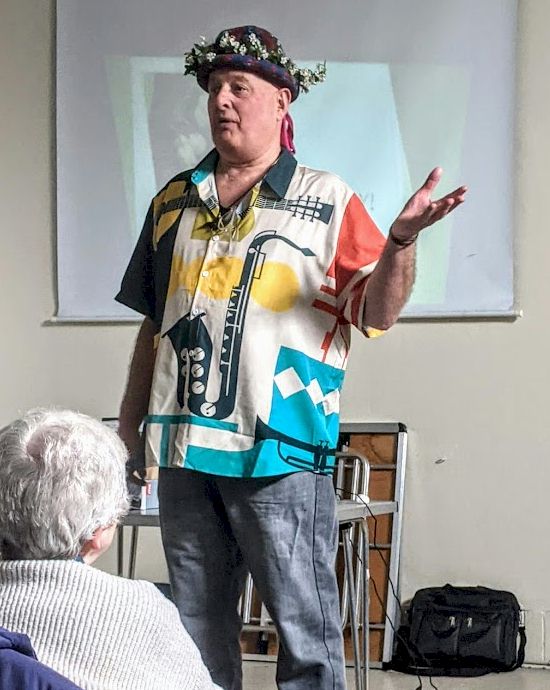
How to get a book started - How to Write Your First Book with author Neil Mach
How to get a book started – How to Write Your First Book with author Neil Mach

How to Get a Book Started…

Ever contemplated writing a book?

Which comes first? The core idea? Or the storyline? Or the characters, perhaps?

How do you organise a project so it doesn’t go “flat in the middle” and take “forever” to complete?’

How will you maintain motivation for months on end, particularly when it feels as if the process is turning into an uphill battle?

How do professional authors ‘knock out’ two or three books a year?

English author Neil Mach explains how to get a book started in his illustrated talk… and you can invite Neil to your book club or writing workshop to explain how to get a book project going…

With humour and instruction, Neil’s slideshow talk “How to Get a Book Started” leads an audience through the early stages of writing a book, as he explains how to tackle those important first steps that will help a book get jump-started.

You should consider inviting Neil to deliver his entertaining & educational presentation to aspiring writers, new authors, or anyone who might be interested in the creative process behind writing the most successful books.

His 45 minute slideshow presentation would be ideal for book clubs, locally run writing groups, community centres, U3A writing groups, Probus Clubs, literature circles, creative writing groups etc. Check the link here: https://speakernet.co.uk/talk/6872/how-to-get-a-book-started-how-to-write-your-first-book-with-author-neil-mach
R E Holding Guilds and Magic

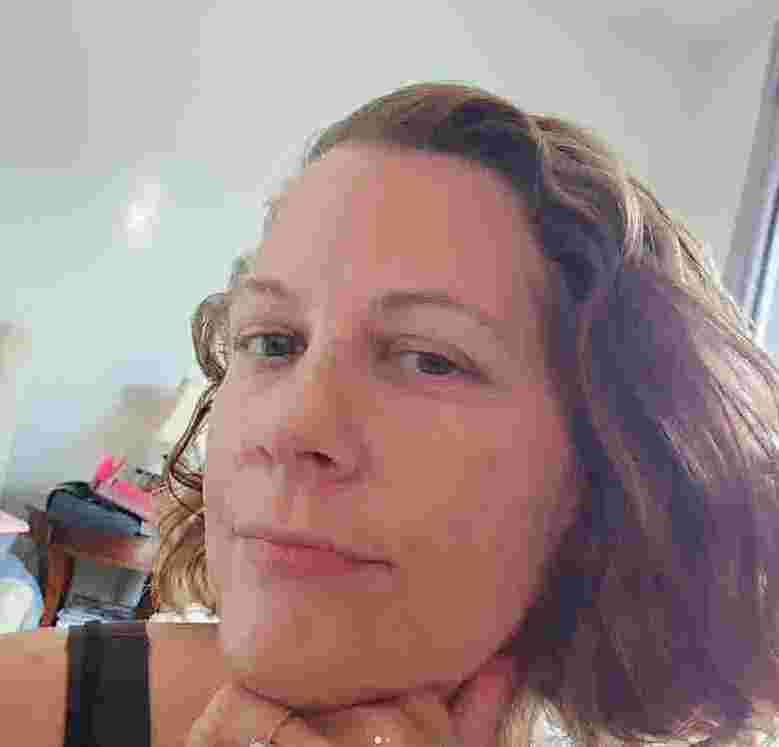
Author R E HOLDING, who was born in Iowa, now resides in the Missouri Hills with her husband.

She has a passion for storytelling across various media, with a special interest in horror.  The American Sci-Fi / Mystery author Christopher Pike is a strong influence on her work. By day, R E HOLDING is a scientist… but by night, she is a horror-fantasy writer!

Reaper’s Gamble features excellent world-building and a super-believable magic system rooted in crafts & guilds

Her recent novel “Reaper’s Gamble” features excellent world-building and a super-believable magic system that’s rooted in crafts & guilds.  So I wanted to talk with her about writing plausible magic and describing realistic worlds.

R E Holding Guilds and Magic - Reapers Gamble
R E Holding Guilds and Magic – Reapers Gamble

This new interview covers the author’s world-building tips, insights into what she describes as ‘world-building sickness’, her magic system development, and her editing techniques.

Check out the R E Holding Guilds and Magic interview below or on Neil Mach’s Myth & Magic podcast.

Does your daily life stifle creative expression? How do you keep yourself from giving in to the mundane?

There are those who say that life is an illusion and that reality is but a figment of the imagination...

But how can creative thinkers escape the constraints of daily life to protect their creative energy?

How do you keep yourself from giving-in to the demands of everyday reality?

Our daily reality is what we perceive through our physical senses…

Societal constructs, developed over thousands of years, shape our everyday reality, enforcing norms, regulations, and inadequate explanations for life’s enigmas.

As artistic people, we must remember that constraints and censorships in our daily routines might block our creativity.

Uncreative people feel crushed by rules, expectations, and the fear of judgment… worrying all the time about breaking rules or causing embarrassment.

Our daily reality, much like an artist’s creation, is an illusion, though it’s been shaped by others’ intentions rather than our own. It’s been shaped by uncreative people!

Everydayness — in other words, those mundane routines and relentless demands of daily life, can stifle our creativity and spontaneity.

Therefore, all creative individuals have a responsibility to overcome everyday obstacles so mundane norms don’t undermine their artistic endeavours or disrupt their creative thinking.

Does your daily life stifle creative expression? How do you keep yourself from giving in to the mundane? Photo Credit: Rosa Rafael

One way we can do this is by ‘facing up’ to the notion of everyday reality and questioning the so-called truths:

  • What defines the limits of your typical existence? How do you see beyond pre-set horizons?
  • How do you define the manufactured edges of your normal existence? How might you cross those borders (safely)?
  • What distorts your perception of everyday reality? How can you safely remove those filters?
  • What are the good things about your daily life? How do you prolong your most joyful experiences?
  • What makes your everyday living difficult? How can you create distance from pain?
  • What truths underpin your daily experiences? How do you assess the validity of those truths?
  • What falsehoods shape your everyday existence? How do you confront the lies?

True creative power requires a rebellious spirit….

If true creative power requires a rebellious spirit, what should you rebel against first? Should your first priority be to question the ‘supposed’ reality of everyday living?

  • How do you feel about what’s going on in the world right now? How can you make things better with your art?
  • How do you rationalize your own biases and prejudices? How would you confront those biases and prejudices with creativity and art?
  • How do you prevent others’ biases from affecting you? How can you help protect yourself from others’ biases with your inventiveness?
  • What can you make or create today that will impact your tomorrow?
  • What unexpected things might you accomplish today that would amaze others (and even yourself) in the future?

Wishing you lots of luck with your creative activities.

Please let me know how you’re getting on!

Words: Neil Mach © May 2025
Main photo: Jisu Han

With over 20 books written, Neil is not only a published author but also a multi-time NaNoWriMo champion. Neil describes himself as a ‘hippy grandad!’’

Neil’s home is located in Surrey, England, by the River Thames. He is proud to identify as a real human… not a robot!

What do creative writers do? Why are major AI companies trying to exploit their creative resources?

Several American authors are suing Meta for copyright infringement, alleging that Meta used pirated books (found on LibGen) to create its products; so what is it about creative writing and the work offered by creative writers that AI just can’t replicate?

Authors suspect that some software developers are misappropriating their work to improve their systems. What’s the reason? What do human authors do that robots can’t do?

By-the-way, Meta denies this copyright infringement, claiming its use of the content found on LibGen falls under fair use.

Striking a balance between a creators’ rights and the public’s right to build upon artistic work has always been the aim of copyright law; however, unauthorised copying or modification is universally seen as copyright infringement.

By default, the Berne Convention gives copyright holders authority over their works. Therefore, to be free to use, copyrighted material must be explicitly released by its creator, and this is usually done via a free license (or open license / free distribution license) that defines the allowed uses. From what I understand, the authors suing Meta haven’t stated their content was free or was licensed for free distribution.

What distinguishes human creative writers from AI?

So what do creative writers do that A.I. software giants cannot do? Why are major AI companies trying to exploit their creative resources?

The AI developers are not just using author’s words, that’s the least of it! They’re using the author’s ideas… creative writers come up with ideas. And the software giants are plundering those fresh ideas!

What do creative writers do? Why are major AI companies trying to exploit their creative resources? Photo Credit google-deepmind

What unique abilities do human creatives possess that AI robots cannot replicate?

  • Creative individuals experience the world through daily tasks like coffee drinking, cooking, and doing household chores. Routine things help contribute to their understanding of society, their relationships, and their place in the universe. Robots don’t ‘live and work’ in a real world.
  • Creative people get along with other humans, or sometimes disagree, but can explain why and how these disagreements arise, and real humans can articulate their thinking. Robots don’t have human friends or human enemies.
  • Creative people acquire knowledge through interacting with other humans, and by feeling emotional impacts, either through direct experience or through human observation. Robots don’t feel emotions.
  • Creative people do fieldwork by going to real places, meeting real people, and observing real behaviours and revealing real personalities. Robots don’t explore ‘real’ places or meet real people… they live in a virtual universe.
  • Creative people connect with other humans, constantly expanding their understanding of humanity. Robots only connect with other robots.
  • Just like everyone, creative people dream. Sometimes their dreams lead to fresh ideas. Do robots dream?

Humans perceive and interact with the world (through art) in ways that are impossible for machines

  • Creative individuals are able to portray emotions due to their capacity to feel emotion. Robots have no emotions to feel, so cannot portray feelings.
  • Creative people engage all their senses — listening to music, viewing art, feeling the sun, tasting the coffee, and smelling the freshly cut grass. Humans perceive and interact with the world (through art) in ways that are impossible for machines.
  • Human behaviours help creative people refine their thoughts and thinking patterns within larger contexts, helping them consider the broader implications of situations and events. Robots are not able to envisage broader implications.
  • Creative people generate original words, create unique narrative styles, conceive new characters, theorise uncharted territories, and even conjure unrealized inventions; Creative people explore a wide array of ideas and concepts. They create new things. Robots don’t create anything new: they just copy what has already been visualised in the mind of one or more creatives.
  • Creative people’s self-expression is not only functional and efficient but also decorative, entertaining, abstract, and very probably metaphysical. Robots can’t be entertaining because entertainment is controlled by human emotion and depends on human context.

Any thoughts? Let me know!

With over 20 books written, Neil is not only a published author but also a multi-time NaNoWriMo champion. Neil describes himself as a ‘hippy grandad!’’

Neil’s home is located in Surrey, England, by the River Thames. He is proud to identify as a real human… not a robot!

What do creative writers do? Why are major AI companies trying to exploit their creative resources?
With over 20 books written, Neil is not only a published author but also a multi-time NaNoWriMo champion. Neil describes himself as a ‘hippy grandad!’’

How to get a book started — How to Write Your First Book

Are you thinking about writing a book this year?

Which comes first? The core idea? Or the storyline? Or the characters, perhaps?

How do you organise your project so it doesn’t go “flat in the middle” and take “forever” to complete?

How will you maintain your motivation for months on end, particularly when it feels like the process is turning into a laborious and never-ending uphill battle?

How do professional authors ‘knock out’ two or even three books a year?

English author Neil Mach explains how to get your book started in his 2025 illustrated talk, titled: How to Write Your First Book.

How to get a book started - How to Write Your First Book with author Neil Mach - photo credit mikhail nilov
How to get a book started – How to Write Your First Book with author Neil Mach – photo credit mikhail nilov

How to get a book started…

With over 20 books (fiction and non-fiction) to his name, Neil Mach frequently addresses large crowds, lecturing on topics such as literary perspectives, writing traditions, and creative development.

It’s common knowledge that finishing a book is a difficult task, with most aspiring authors failing to achieve publication.

With humour and instruction, Neil’s slideshow talk leads his audience through the early stages of writing a book, explaining how to tackle those important first steps that will help your book get jump-started to success.

With over twelve years of publishing experience, Neil shares his best writing techniques and the closely guarded trade-secrets of the authoring profession.

Neil’s 45-minute illustrated presentation, How to Write Your First Book, provides useful advice on:

  • Developing a theme for your book
  • What constitutes a good idea for a book?
  • Generating ideas: using plot, character, or theme as inspiration
  • Researching for your book: tips and tricks
  • Methods for spanning chapters across a whole book
  • Beginning and ending techniques
  • How to develop a daily writing schedule that works for you
  • Tips on improving and editing your writing
  • Tips on how to market + promote your book as you “go along
  • Tips on how to stay focused for the ‘long haul
How to get a book started - How to Write Your First Book with author Neil Mach
How to get a book started – How to Write Your First Book with author Neil Mach

How to get a book started…

The toughest part about writing any book is the idea generation phase. In a helpful and amusing way, Neil describes and gives advice on this phase of composition, which he calls the ‘ideation’ element.

Neil also details how new authors can weave personal experiences—desires, anxieties, fears, sorrows, regrets, and aversions—into compelling themes.

Neil claims that powerful & meaningful writing requires commitment—and it’s this commitment to making amends, confronting anxieties, fulfilling fantasies, exploring possibilities, facing uncomfortable truths, or improving an audience’s understanding of issues, concepts, or possibilities that makes the writing process a cathartic and enjoyable experience for any writer.

You should consider inviting Neil to deliver this entertaining & very educational presentation to aspiring writers, new authors, or anyone interested in the creative processes behind the world’s most successful books.

This 45 minute slideshow presentation (with an extra 15 mins for Q&A’s) would be ideal for book clubs, locally run writing groups, community centres, U3A groups, Probus Clubs, literature circles, creative writing groups etc. No group is too small!

To book this illustrated talk head to: https://speakernet.co.uk/talk/6872

or  you may contact the speaker directly at the email address provided on the main page or via DM on Instagram or Facebook if you’d like to discuss your requirements.

Do you have creative presence?

How sustainable is your creativity? Do you have creative presence?

Although creative writing is a solitary activity, it’s vital we authors maintain strong connections with our world at large. You might refer to this connection with the world outside your headspace as having a viable ‘creative presence.’

To be an effective communicator, an author must be savvy, stay well-informed, and keep up-to-date.

Creative writers who stay current on events and social movements will find abundant inspiration for their future stories and projects.

Do you have creative presence?

Here are seven ways to keep your creative presence alive and meaningful…

  • Keep up with breaking news
  • Cultivate a passion for environmental and natural concerns
  • Maintain an inquisitive view towards societal and cultural aspects
  • Stay well informed about other people’s activities
  • Pay attention to the small details of other individual’s workaday routines
  • Follow the latest developments in technology and innovation
  • Keep abreast of practical, real-world, issues

Any other advice or tips? Add your comments below.

Words: © Neil Mach 2024
Main image: Anastasia Shuraeva

Neil Mach is a busy English novelist. He crafts stories centred around strong women, loners, and independent individuals.

Five Ways to Conquer Creative Block

Writer’s block (creative block) is a lack of focused energy.

People often ask how I manage to keep my focus and productivity; and I admit it’s not easy!

Below, I’ll cover five ways to conquer creative block.

Factors that will contribute to your lack of focused energy — and bring a sense of creative blockage into a writing life —might include distracting & anxiety-inducing environments, a hectic or rushed schedule, and feeling overwhelmed by life’s many disruptions.

To write again, you must regain your composure and replenish your energy.

You must regain your composure and replenish your energy…

Here are five ways I conquer creative block and kickstart my restorative processes:

1: I tidy my workspace

It’s remarkable how my life grows disorganised due to clutter.

In order to have at least one accomplishment in every new day, fresh recruits in the military are instructed to clean their sleeping quarters first thing.

Although we can’t expect to straighten-out our entire lives and sweep-away all our problems, we can at least make our work spaces neater!

If you tidy your workspace today, take a picture and post it on social media. It’s something to celebrate!

2: I take a stroll

I go for a lazy walk every morning, come rain or shine. That’s because I’m running about these days, rushing here-and-there, squeezing every last minute out of my working day!

If I didn’t force myself to go for a walk, I wouldn’t have time to listen to the birds sing, feel raindrops on my face, inspect a freshly dew-spangled spider’s web, or smell the mud on my boots! I wouldn’t get a chance to settle: My mind wouldn’t get ‘space to breathe‘.

Walking, particularly in the morning, helps clear fog from an anxious mind. An early walk provides natural light, which increases cortisol levels and makes us feel more alert.

My morning walk helps enhance my respiration, improves my heart health, relaxes my muscles, and most crucially, provides me with a sense of well-being. All these things will deliver focus later in the writing day.

Five ways to conquer creative block - photo credit pixabay
Five ways to conquer creative block – photo credit pixabay

3: I eat breakfast

Many authors shun a healthy breakfast in favour of longer “writing time“. I see them on socials taking pride in “two coffee start ups.” However, research shows that eating a high protein breakfast improves cognitive function, aids memory retention, and jumpstarts a person’s attention span. Eating a high protein breakfast every day (eggs or whole grains) helps deliver my focus and productivity.

4: I hydrate

Almost all of an author’s brain is made of water ( in my case, it’s not much else 😊).

Water is necessary for production of the hormones and neurotransmitters that enable our authoring brains perform creative marvels. If you think you’ve drunk enough water today, I’m telling you that you haven’t! Glug some more!

We need to feel good before we work— not after!

5: I give my brain a dopamine boost ahead of writing

Most authors use a delayed incentive system, such as “If I finish the next paragraph, I’ll reward myself with a bit of chocolate, a slice of cake, or a handful of fruit & nuts.” However, this is backwards thinking!

We need to feel good before we sit down to write — not after!

Since dopamine is the feel-good hormone, deficiency brings about procrastination.

Indeed, this deficiency might tempt us to seek our “hit” somewhere else —perhaps by browsing social media or watching TV.

So, to avoid the dopamine deficiency, I enjoy a lump of chocolate before I start writing. I use the feel-goods ahead of working because my brain needs a dopamine boost to get itself chugging!

Do you have other tips or advice? Share them below.

Words: © Neil Mach 2024
Main image: Ivan Samkov

Neil Mach is a busy English novelist. He crafts stories centred around strong women, loners, and independent individuals.

Author speaks frankly about postpartum depression

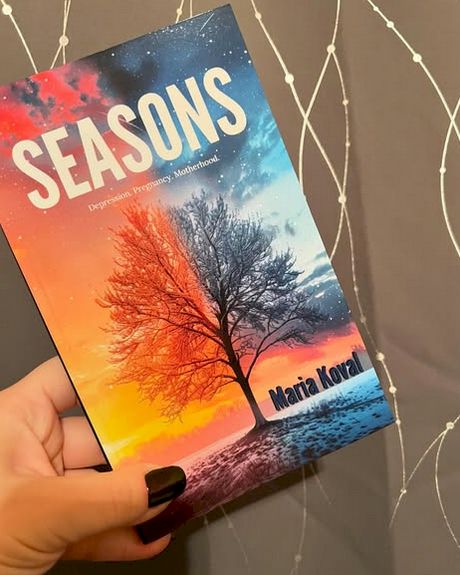
Following her raw and honest 2023 book ‘Life as a Joke,’ that related her emotional struggles, the talented New York author Maria Koval continues her story in the 2024 book, ‘Seasons.’

Here, in a specially arranged interview, Maria speaks frankly about postpartum depression with English author Neil Mach.

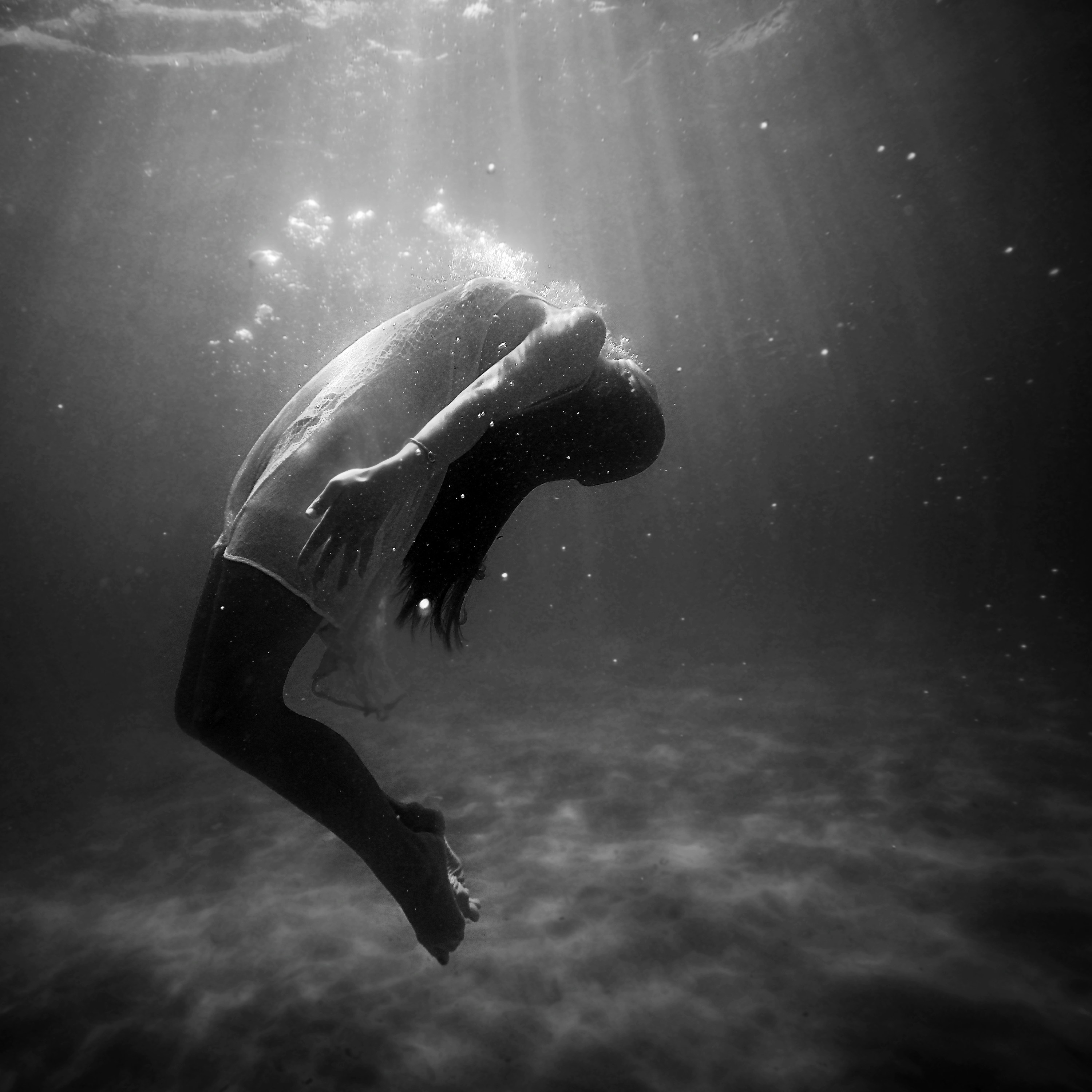
'It feels like drowinng...' Author speaks frankly about postpartum depression - photo credit Christopher Campbell
Author speaks frankly about postpartum depression – photo credit Christopher Campbell

In her memoir ‘Seasons’, Maria recounts her struggle with depression during her twin pregnancy and her experiences with postpartum depression after the births.

Seasons describes the author’s journey into and across pregnancy and the additional depression she faced during the postpartum ‘fourth’ trimester.  (Maria describes the postpartum, or postnatal period, as the ‘fourth’ trimester.)

This honest account of her highs-and-lows delves into her state-of-mind at the time, and highlights her resilience. Listen to the interview below.

Maria Koval describes postpartum depression in her book 'Seasons'
Maria Koval describes postpartum depression in her book ‘Seasons’
Maria Koval tells Neil Mach about her journey through postpartum depression

Seasons’ is an inspirational story in which Maria’s experiences of profound loneliness, fatigue, emotional volatility, despair, and self-reproach (over her perceived inadequacy as a would-be mother then actual mother) are vividly portrayed.

‘Seasons’ is out now.

This inspiring interview details the author’s experience with postpartum depression, explaining how journaling about her feelings aided her recovery.

Listen to the interview with Maria Koval here>>

Blayz the Bryte Scheiner

Imagine living in this brutal society without the physical & mental capabilities needed to navigate it.

For instance, have you ever considered what it’s like to live without the ability to speak?

Have you ever wondered what it’s like to have a mind that doesn’t behave?

The adolescent Blayz Scheiner lacks wisdom in worldly matters. Most folks in his English town describe him a simpleton. A fairer way to describe him would be unsophisticated.

Blayz has a rare neurological condition that only one in twenty thousand are affected by. It causes significant learning disabilities, delayed development, and, consequently, Blayz has little or no speech.

Individuals like me possess the rare power of invisibility

Blayz the Bryte Scheiner

It takes very little to impress Blayz. Sometimes, he can be very foolish. That’s because he’s authentic. It’s why certain people label him a noodlehead.

In this family-based comedy, the focus is on Blayz, an endearing boy with a hidden side. He’s the boy next door who never grew up. Observe how Blayz strengthens his defences in a perpetually unfamiliar world. Explore the secrets behind Blayz’s inner workings. Watch as he never allows himself to be subdued or suppressed: he’s constantly enthusiastic. But will his spiritual brightness diminish?

Alter ego- photo credit niko si
…at the Community Centre I don’t feel anxious. I feel safe and protected. I sometimes think this is the only place in the world where I can be normal…

To understand Blayz’s daily challenges, we must through them together. In the story, we learn to recognise the lurking adversaries who will try to deprive Blayz of his purity.

In a world of darkness and animosity, will Blayz’s brilliance endure? Or will the saintly youth be brought down by those who refuse to recognise his distinctive qualities?

He listens to every word [but] no, he can’t understand. He only speaks minglish…

For example, how trustworthy is his best friend, Stella? Is she a temptress? A villain? Or simply misunderstood?

What is the reason for Aunt Lena’s deep aversion to him?

Daniel stained glass- photo credit Lawrence OP
…when people dance, they become cheerful. When people become cheerful, they forget how ugly their lives have grown..

If the Community Centre closes, who will foster his eager mind? If Blayz’s dad is unable to continue, who will step in to manage their mobile disco?

Why do the police get involved in the situation?

Will the authorities make Blayz go into care? Will his soul-light prevail over all the petty hatefulness of this world?

Main photo: Jimmy, mxing lightpainting [CC]

Blayz the Bryte Scheiner by Neil Mach
Available in Paperback ‏ : ‎ 188 pages
Language ‏ : ‎ English
ISBN-10 ‏ : ‎ 1689943300

The Bedevilment of Bertie Lunn

Alberta, the crime scene cleaner, gathers intimate samples from the men she brings to the heel.

During her work, she collects evidence of a dangerous serial killer and her only hope is to recruit a previous conquest, a State Detective, to help her capture the murderer.

She tucked the sweaty tissue into a sample jar. It would be her first trophy…

The Bedevilment of Bertie Lunn, by Neil Mach

But the State Detective is a reluctant ally and time is running out for both

crime scene tape. photo credit Brandon Anderson [CC]
…Don’t play innocent with me, you deceitful she-cat. You know what you did…

Does Bertie’s behaviour drive events?

He was was hers now, entirely. He was hers now completely. The sacred & magical bond could never be broken…

The Bedevilment of Bertie Lunn by Neil Mach

How will Bertie escape the cycle of evil?

Crime scene cleaner. photo credit: Pioneer Library System [CC]
…Davey’s faraway eyes went glassy as he gave his sample…

Is Bertie Lunn a modern-day witch?

Main image, photo credit: Magda Wojtyra [CC]

The Bedevilment of Bertie Lunn, by Neil Mach
Available in Paperback ‏ : ‎ 250 pages
Language ‏ : ‎ English
ISBN-10 ‏ : ‎ 0993230644