Can you identify a book from a hazy description?

Do you really really love lit? Try to figure-out the book from the clues! Tip: all these books are absolute classics!

  1. An enigmatic tycoon who’s obsessed with a previous girlfriend enters some random guy’s first-person life.
  2. Some guy discovers a female utilising A.I. technology to create pulp fiction. He at first finds her repulsive. But they put their differences aside for bonking sessions.
  3. A guy chooses to adopt an orphan and favour this child over his biological children. Upon the guy’s death, his eldest natural son inherits the house, so maintains the orphan as a servant. When grown-up, the orphan falls in love with his adoptive sister.
  4. An itinerant lives an ordinary day in a Fair City
  5. Together with other economic migrants, some people set out to escape the poverty of the Dust Bowl era. They tell tales in overnight camps.
  6. A bachelor will consent to marrying a young woman if she chooses to end her current union. She decides to dump her husband and child in order to pursue the young man’s indecent proposal.

Good luck! I’ll post the answers on my Facebook Page at https://www.facebook.com/author.neilmach if you get stuck!
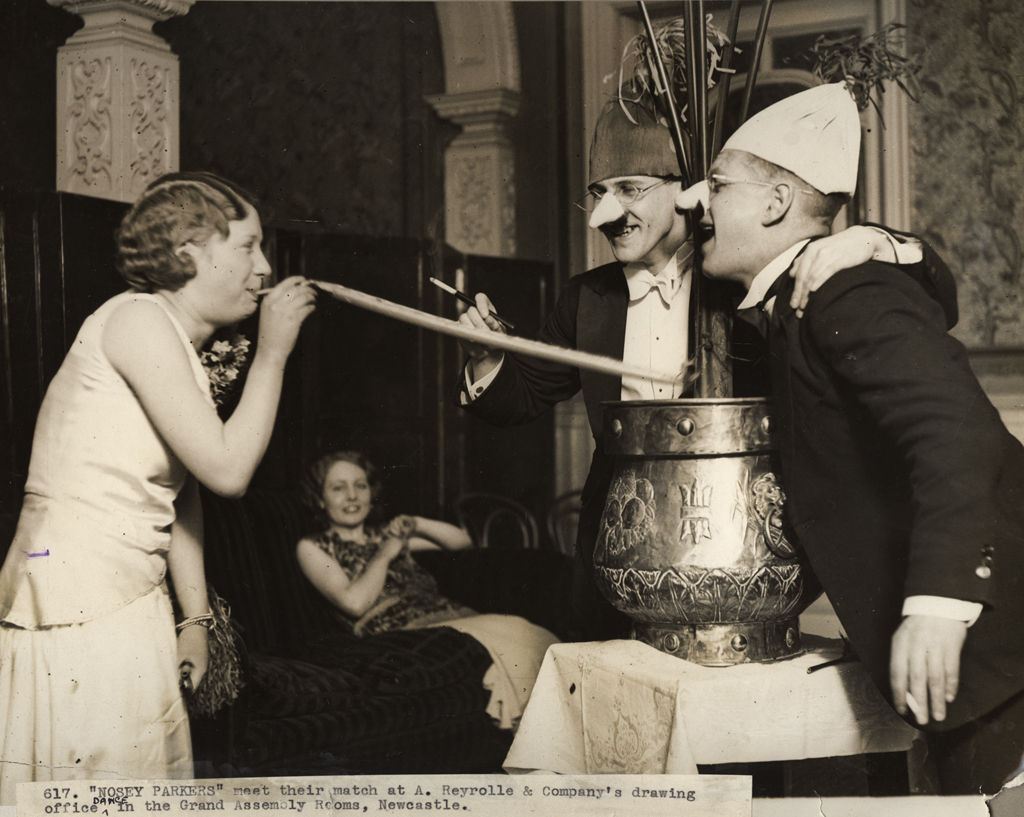
Why Use Humour in Written Work?

If you want to tell people the truth, make them laugh (otherwise they’ll kill you)
—Oscar Wilde, 1890

Overall, humour can significantly improve our connections with others and our own well-being, making it a crucial component of today’s society. When things in life are tough, laughing about them is one of the best coping methods!

Humour is proven to have a positive influence on mental health and can be a useful tool for lowering stress. Using humour to deal with anxiety & stress can be beneficial for both reader and author.

A shared sense of humour helps facilitate better relationships with readers

—Neil Mach

I employ humour in my prose to ease the awkwardness of a situation or make a difficult subject matter more bearable. But using humour in writing can be beneficial in a variety of other ways. Here are a few examples:

  • Employing humour helps readers feel at ease (especially useful if you’re tackling difficult topics)
  • A shared sense of humour helps facilitate better relationships with readers
  • Reminisced humour will confirm connectedness between reader and author and validates convergent thinking
  • Humour will make difficult messages more tolerable
  • Humour increases the engagement and power of unappetizing messages
  • For both the writer & reader, humour requires creative gymnastics (thinking outside the box). Such mental workouts can be intrinsically enjoyable
  • Humour can help counteract the negative aspects of a worsening situation
  • Humour encourages empathy for others, openness to new ideas, and honest discussion
  • With sarcasm, an author can communicate and describe tensions without offending the reader
  • With sarcasm, an author laughs at their own predicament: this helps facilitate better relationships with readers
  • If readers are coping with a dysfunctional environment (and/or difficult people) sharing irony deals with real-life challenges by recognising & sharing the silliness of a situation

In his book The Patternmaker and the Tide, English author Neil Mach addresses issues including racism, invasion of privacy, mental illness, disruption of everyday routines, and the continuing crisis of the English Channel migrant-crossing using skilful, sympathetic and nuanced humour.

Get the novel here: https://books2read.com/u/md6GgO